

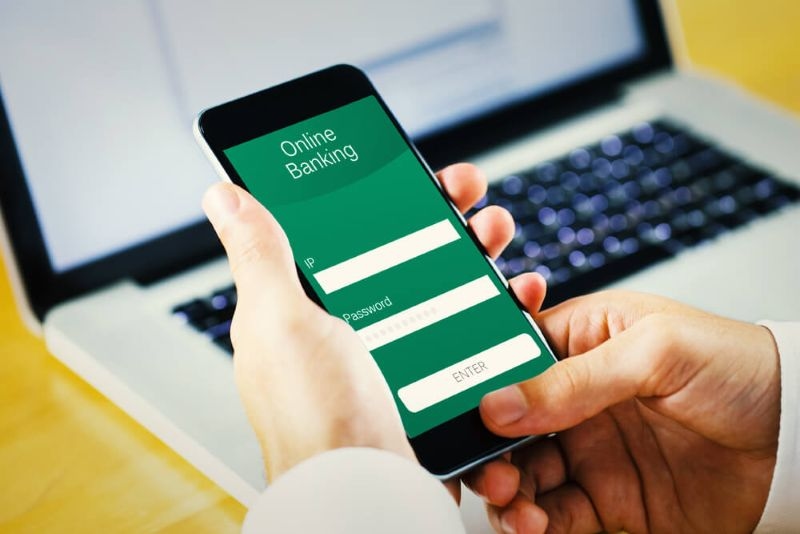
Money decisions rarely feel simple anymore. One minute you’re checking your balance on your phone in a grocery line, the next you’re wondering if you should still keep a relationship with that brick building down the street where a teller knows your name. That’s the heart of the online banking vs traditional banking conversation. This guide walks through how both models work, what they offer, where they fall short, and how each fits different financial goals. We’ll touch on convenience, security, costs, trust, and everyday life moments that quietly shape your banking choices.
Before comparing features, it helps to step back and see the big picture. Both systems manage your money, but they do it in very different ways.
Online banks live almost entirely on screens. Think Ally, SoFi, Chime, or Capital One’s digital side. No neighborhood branches, no drive-through windows. Instead, there’s an app, a website, and customer support that shows up via chat or phone. For many Americans, this already feels normal. Bills paid on a lunch break. Deposits made with a camera snap. Transfers are done while watching a game.
Traditional banks are the familiar faces. Chase, Bank of America, Wells Fargo, and local credit unions. They offer apps too, but their backbone is physical branches. You can walk in, sit down, and talk through a mortgage or a problem that feels too big for a screen. That personal access still matters more than people admit.
Convenience isn’t just a buzzword. It changes habits, moods, and even savings behavior.
Online banking benefits shine brightest when time feels tight. You can move money at midnight, check balances before a road trip, or freeze a card while standing in a parking lot. No waiting for doors to open. No rushing during lunch hours. Honestly, once people get used to this rhythm, it’s hard to give up.
Because online banks skip physical branches, many pass savings to customers. Higher interest on savings accounts. Fewer monthly fees. No minimum balance pressure. For someone building an emergency fund or saving for a down payment, those small percentage differences quietly add up over time.
Budget trackers, spending alerts, goal buckets. These tools feel like a financial nudge on your shoulder. Not perfect, but helpful. You know what? For people who like seeing progress visually, this can be motivating in a way old paper statements never were.
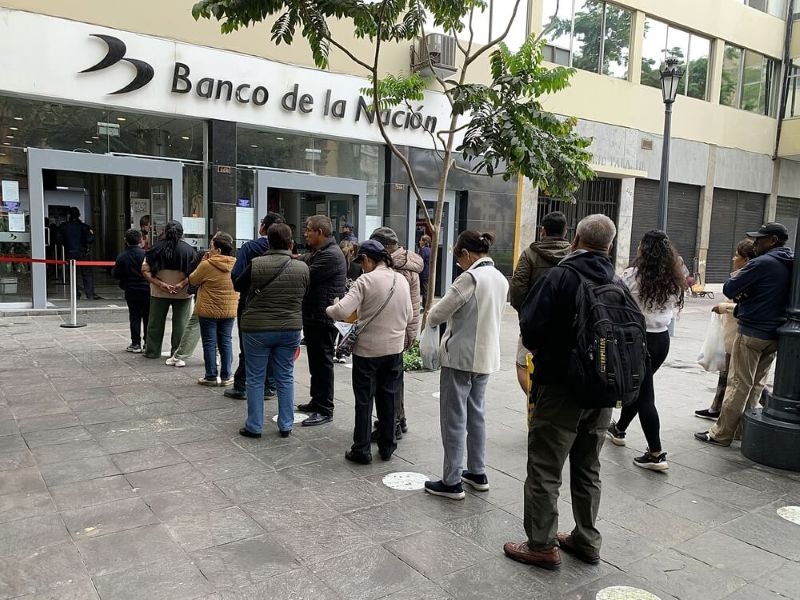
Despite the digital wave, traditional banks haven’t faded away. There’s a reason.
Some financial moments feel too heavy for a chat window. Buying a home. Handling an estate. Sorting out a fraud issue that left you stressed. Traditional bank advantages include real conversations, eye contact, and reassurance. That human element can calm nerves fast.
Cash still exists. So do cashier’s checks, safe deposit boxes, and notarized documents. If your work or lifestyle touches physical money often, branches make life easier. Small business owners feel this especially.
There’s comfort in history. Many traditional banks have been around for generations. For cautious savers or older customers, that long track record builds confidence, even if the interest rate is lower.
Security is where people pause. And rightly so.
Online banking security relies on encryption, two-factor authentication, biometric logins, and real-time alerts. In many cases, digital banks catch suspicious activity faster than traditional ones because systems are automated. That instant alert can feel like a safety net.
Traditional banks use the same core protections plus physical identity checks. If something goes wrong, you can show up with ID in hand. That option alone helps some people sleep better, especially after hearing stories about hacked accounts.
Here’s the quiet truth. Security isn’t just technical. It’s emotional. Feeling safe matters as much as being safe. Some trust apps. Others trust people behind desks. Neither feeling is wrong.
Money leaks often come from small fees, not big mistakes.
Online banks often skip maintenance fees, overdraft penalties, or minimum balances. This makes them attractive to younger users, freelancers, and anyone tired of watching small charges chip away at their balance.
Traditional banks may charge more, but they bundle services. Access to advisors. Branch support. Complex products under one roof. For some customers, that trade feels fair.
Online banking feels lighter. Traditional banking feels steadier. One isn’t better by default. It depends on how much friction you’re willing to accept in exchange for reassurance.
This is where things get personal. Financial goals shape everything.
Saving for a trip, building an emergency fund, or managing daily spending often pairs well with online banking. Speed, clarity, and lower costs support momentum.
Planning retirement, buying property, or managing family finances may benefit from traditional guidance. Talking through scenarios can prevent costly missteps.
Here’s the mild contradiction. Many people use both. An online bank for savings and daily spending. A traditional bank for loans or major milestones. This blended approach reflects how modern banking options really work in real life.
Your routine matters more than you think.
Remote workers and gig professionals often lean digital. Fixed schedules and local ties may lean traditional. Neither choice is permanent. Life shifts. Banking can too.
Younger users grew up tapping screens. Older users grew up trusting counters and signatures. But lines blur. Plenty of retirees love apps. Plenty of young adults still want branch access.
Money is emotional. Habits stick. If a banking style reduces stress, that’s not trivial. It’s strategic.
The online banking vs traditional banking debate isn’t about winners or losers. It’s about fit. Online banks offer speed, simplicity, and strong digital banking benefits. Traditional banks bring depth, trust, and human connection. Your financial goals, comfort level, and lifestyle shape what matters more right now. And yes, right now can change. Banking doesn’t have to be a lifelong commitment. It’s a tool. Use the one that works today, and adjust when tomorrow looks different.
Yes, most online banks use advanced security tools and are federally insured. Safety also depends on user habits, like strong passwords.
Absolutely. Many people do this to balance convenience with in-person support for major financial needs.
Most do, though options may be limited compared to large traditional banks with broader product ranges.
Online banks often offer higher interest rates, but traditional banks provide guidance that some savers value more.
This content was created by AI