

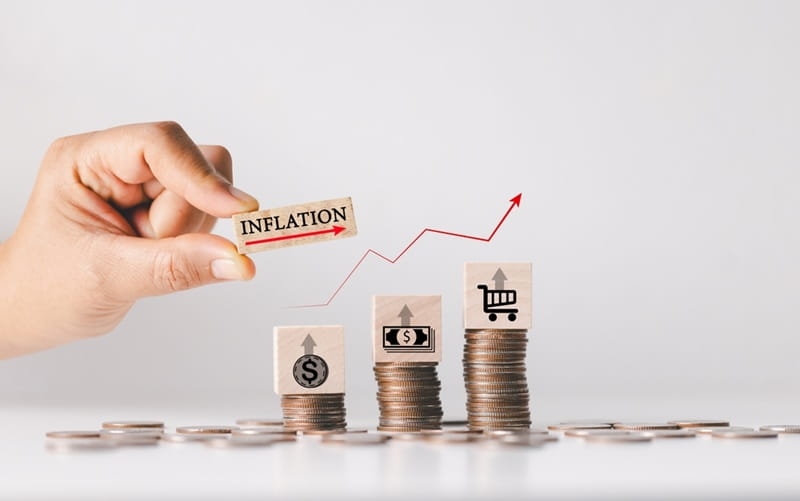
Inflation has this sneaky way of chipping away at your money. Prices inch up, maybe so slowly you don’t notice right away, but after a while, you realize your savings just don’t stretch as far. If your income or investments aren’t keeping pace, that gap only gets wider.
Heading into 2026, inflation is still front and center in people’s minds—changing how we all think about saving, spending, and investing. This guide breaks down inflation protection strategies to keep your money working in your favour.
There’s no magic bullet here. The best approach typically combines several inflation protection strategies. Here are some proven ways to stay ahead.
Spreading your investments out—think stocks, bonds, real assets, and a few alternatives—helps you handle whatever inflation throws your way. Stocks, especially those from companies that can raise prices without losing customers, have helped investors in beating inflation over the long haul.
Markets go up and down, sure, but businesses with real pricing power usually hold their ground. Diversifying isn’t fancy, but it works. It’s a straightforward way to protect your money without getting tangled up in complicated schemes.
Certain assets have a reputation for holding up when inflation hits. Knowing how they work lets you pick what fits your goals.
Stocks still anchor a lot of inflation-beating portfolios. Over time, company earnings tend to outpace inflation, so stocks can help keep your money ahead. Dividend-paying stocks are even better—they can give you a growing stream of income as the years go by.
Real estate has a reputation as one of the best ways to shield your money from inflation. When prices go up, property values and rents usually follow. If you don’t want the hassle of owning property, real estate investment trusts (REITs) let you get in on the action without becoming a landlord.
TIPS are government bonds that actually adjust with inflation. You won’t get the wild returns you might see from stocks, but they give you stability. That’s why lots of people use them as a steady anchor in their portfolios when they want to keep inflation in check.
Think gold, oil, wheat—commodities like these often get more valuable as inflation climbs. Sure, the prices can swing up and down a lot, but they’re a classic way to hedge against your money losing value.
Basically, when prices go up over time, your dollars don’t stretch as far as they used to. Sure, a 2 or 3 percent jump each year doesn’t sound like much, but give it ten years, and you’ll really feel the pinch.
Picture this: inflation chugs along at 3 percent, but your savings account only gives you 1 percent. Every year, you’re falling behind. It’s sneaky, but it eats away at what you’ve worked for. That’s why just parking your money in a savings account isn’t enough. You’ve got to think carefully about where you put your cash and how you invest it, which makes beating inflation in an easy way.
Not everything gets more expensive at the same rate, either. Stuff you really need—groceries, rent, gas, healthcare—those costs usually jump faster than others. That’s a big deal, especially if you’re planning for retirement, saving for college, or hoping to build wealth for your family down the line.

Now, looking at 2026, it’s clear that prices are still climbing higher than most of us are used to. Supply chains are shaky, jobs are changing, and there’s a lot of unpredictability out there. Even if inflation cools off, the higher prices tend to stick.
If you just stick to old-school savings or fixed-income investments, you’re probably leaving yourself exposed. That’s why more people are searching for ways to protect their money from inflation—digging into assets that have held up well when prices rise. It’s not just about saving anymore; it’s about staying ahead.
Nothing is totally immune to inflation. But some investments do a much better job of keeping up. The main idea behind inflation-proof investments is to keep your money growing, or at least standing still, even when prices are rising.
Infrastructure is another strong candidate. Utilities, highways, and similar assets usually have pricing power. They can raise prices when costs go up, thanks to regulations or contracts. Essential service businesses often hold steady, too—people still need electricity and water no matter what.
Mixing these kinds of inflation-hedging investments is one of the best ways of safeguarding your wealth from inflation, so you’re not constantly scrambling to guess what the market will do next.
A lot of people worry they need to swing for the fences to beat inflation. But that’s not true. It’s all about finding the right balance. Taking on extra risk can backfire just as much as playing it too safe can. Build your portfolio around your timeline. If you’ve got years ahead of you, you can handle some bumps for a shot at growth.
Getting close to retirement? You might want to lean more on income and steady investments. Don’t just set it and forget it, either. Check in on your investments regularly. Shift things around as needed to keep up with changes in your life and in the economy.
Cash is great for emergencies, no doubt, but if you let too much of it just sit there, inflation slowly chips away at its value. It makes sense to keep an emergency fund close by, but don’t let extra cash gather dust—put it to work.
High-yield savings accounts, short-term bonds, or money market funds offer growth potential without losing your money. You stay flexible, and your money stands a better chance against inflation. Finding that sweet spot between having cash on hand and letting your savings grow is one of those things people overlook, but it’s key to protecting money from inflation.
Good financial habits matter as much as your investments. Watch your spending and make saving a habit. That way, inflation won’t catch you off guard. Watch out for lifestyle creep—when you start spending more just because you’re earning more. That’s a quick way to undo your progress against inflation.
Automate your investments and increase your contributions when possible. This keeps you consistent and gives you a better shot at staying ahead of rising prices.
Inflation is a big threat to retirees. Expenses keep climbing, but your income might not. Planning for retirement means thinking about rising healthcare costs, housing, and day-to-day spending that can outpace regular inflation.
Even after retiring, having growth-oriented assets in your portfolio will have a positive impact on the duration of your savings. Adjust your withdrawals based on your current expenses to keep money from being depleted too quickly as your expenses rise.
It is best to maintain your nest egg with a long-term perspective, even with rising prices.
Inflation is a way of life; however, it doesn't affect how well you manage your money when it occurs. With some smart planning and an adequate mix of investments that continue to grow with your money, there are many ways to keep your investment growing despite inflation.
As we approach 2026, the best way to stay on top of inflation is to remain vigilant and make slight adjustments.
Start simple: diversify, invest for the long haul, and add a bit of real assets. You don’t need to get fancy—these basics work.
Nothing is totally safe, but things like diversified stocks and real estate have a solid track record of helping people handle rising prices.
Nope. The goal isn’t guaranteed returns—it’s about making sure your money keeps its buying power.
Take a look at your portfolio every year. It’s a simple move, but it keeps your game plan in line with what’s happening in the economy and what you want out of life.
This content was created by AI