

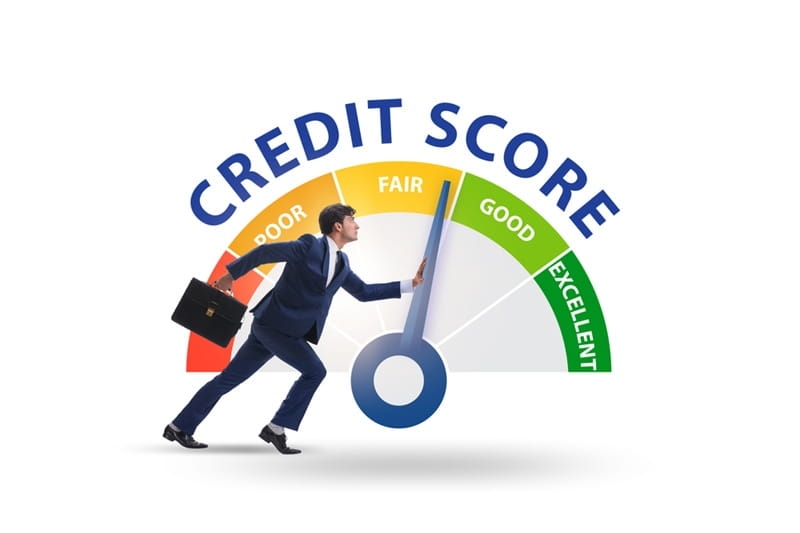
To achieve better financial health and reap the numerous benefits of improved credit scores, understanding how to enhance your credit score can be a crucial first step, especially for individuals who are likely to apply for loans, credit cards, or make a significant purchase. Learning how to improve your credit score is one of the most advantageous steps that individuals can take to improve their financial future.
Many individuals believe it takes years to repair their credit; however, by utilizing a combination of proven credit score improvement methods and some credit score hacks, it is entirely within your reach to quickly improve your credit score.
This comprehensive guide offers numerous effective strategies and proven methods for rapidly improving your credit score, utilizing smart financial habits, and avoiding gimmicks and shortcuts that may leave you vulnerable to higher costs in the future.
Credit scores are essential in determining if you qualify for loans and how much you're going to pay in interest. Your credit score also plays a role in how much you're going to pay for insurance, if you can rent an apartment, what type of credit limit you have, and if you will have a job. You can quickly improve your credit score, giving you more bargaining power and saving on interest payments over time. When lenders see that you exhibit good credit habits, they are likely to reward you with lower interest rates, greater chances of approval, better terms on your loan, and quicker credit decisions. Whether your credit report is holding you back or not, it could be the difference between getting approved and being declined.
Before we talk about the ways to boost credit scores, let’s first look at where credit scores come from. The five components of the majority of U.S. credit scores are:
To have a successful plan to quickly increase your credit score, the two most essential components to work on are Payment History (35%) and Credit Utilization (30%).
Late payments severely damage a credit report incredibly fast. It’s relatively easy to fix this as well. Consistently making all monthly payments (in full and on time) provides reassurance that someone is dependable and responsible with their finances.
How it Helps:
Set up an automatic payment for at least the minimum payment due each month. Making this change will significantly improve a consumer's credit score within a few months.
Credit utilization refers to the percentage of available credit that a person is using. Ideally, experts recommend keeping your credit utilization below 30%, but if you want to repair your credit as quickly as possible, aim for a utilization rate of below 10%.
Example:
With a credit limit of $10,000, keep your balance under $1,000 for maximum impact on your credit score. There are also many different methods you can use to improve your credit score immediately by decreasing your credit utilization ratio.
Proven Methods:
Being strategic instead of random when working to reduce your debt will help build your credit score quickly! There are two ways to pay your debt down:
Both methods will help you repair your credit quickly; however, using the avalanche method will save you more money in the long run.
Credit report errors are common and can be damaging. Wrongly reported late payments, old balances, or accounts that aren't yours will negatively impact your credit score. The following actions can be performed when disputing inaccurate information on your credit reports:
Incorrect information on a credit report is one of the top things people overlook when looking to improve their score. If errors are corrected, it will typically result in an immediate increase to the consumer's credit score.
When you're turned into an authorized user on a credit card account that has been maintained in good standing, using this account to improve your own individual credit while having satisfactory conditions, such as:
This practice can be a substantial benefit for growing your individual score as long as the primary user is taking care of their own credit and demonstrating good habits.
Having a variety of credit accounts (like credit cards, auto loans, and/or personal loans) may be positively associated with your credit score. Good practice would be to:
Hard inquiries can temporarily reduce your credit score. Too many inquiries will be an indication of financial hardship. Spacing out your credit applications is a smart way to manage your credit rating.
Store cards should generally be avoided unless essential. Always pre-qualify before applying. By minimizing hard inquiries, you can stabilize your efforts to increase your credit score quickly.
Keeping tabs on your credit continually keeps you proactive rather than reactive. You will receive alerts on credit monitoring tools regarding fraud, score improvement, and any other changes in credit reports.
Benefits include:
Establishing long-term habits transforms quick wins into sustained future success. These habits allow you to continue benefiting from short-term credit score hack techniques even after those techniques have ceased to provide immediate benefits.
Key Habits Include:
The above practices enable you to continue seeing improvements in your credit score over time.
Results differ between users; however, many progress in the following timeline:
Consistency is what will enable you to sustain increased credit scores over time.
There are common misunderstandings regarding how old cards can negatively affect your score if they are closed, how a person can raise their score by paying off collections, and how your monthly income does not affect your credit score, which is just a number that reflects the number of accounts that you have in good standing.
Understanding how to increase your credit score quickly is not a matter of using shortcuts; it is about using precision and discipline to execute effectively. Using proven methods that can help you ?increase your credit score appropriately, ethical ways to boost your credit score, and remaining consistent will enable anyone to improve their credit score rapidly. Strong credit is a matter of having a strong plan.
Lowering credit use, correcting errors on your credit report, and consistently making all your payments on time can help rapidly increase your credit score without requiring the full repayment of any debt.
Absolutely, ethical hacks such as reducing credit use, adding an authorized user to a credit card, and monitoring your credit report are safe and can quickly boost your credit score.
The fastest results will occur within 30 days of starting fast credit repair, depending on how quickly your accounts are paid down and how your payments are currently being made.
No. When you check your credit report, you are merely doing a soft pull, which doesn't negatively affect your credit.
The answer is yes! By improving their future credit scores, borrowers' chances of receiving a loan and being offered a lower interest rate increase dramatically. Additionally, if a borrower's credit score improves, they may become eligible for a broader range of loan and credit card offers.
This content was created by AI