

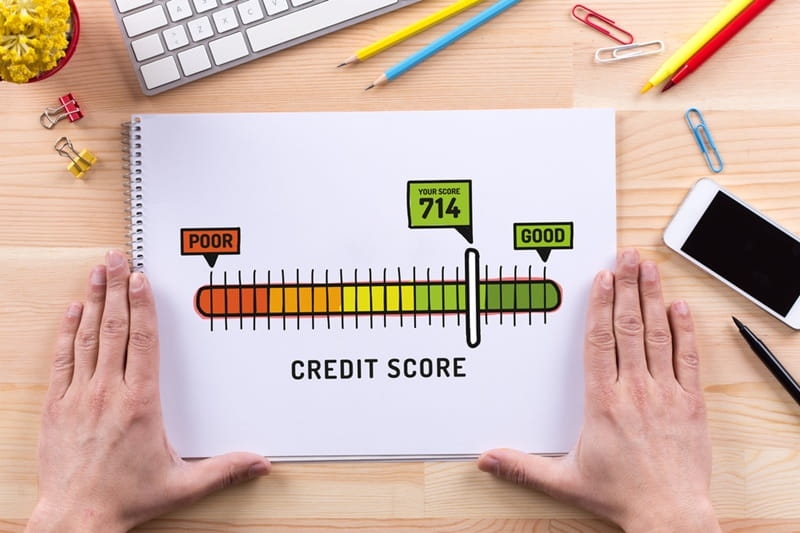
Understanding how credit scores work can be confusing at first, but the concept itself is not complex. Understanding credit scores helps people know why banks accept or reject loan requests. A clear explanation of credit scores early on makes money choices less stressful and more controlled. What affects a credit score often comes from small, daily actions, such as paying bills late or exceeding a credit card limit.
Lenders do not know borrowers personally, so they rely on numerical data to assess risk. Those numbers are derived from credit score factors, including payment history and debt utilization. When understanding credit scores becomes easier, better financial habits follow without much force.
This knowledge is vital for students obtaining their first credit cards, parents purchasing homes, and older adults planning their retirement. A single number can change interest rates, loan approval chances, and even rental options.
A credit score, explained simply, is a numerical representation that predicts the likelihood of an individual repaying borrowed money. Most scoring systems use a range between 300 and 850. A higher score suggests lower risk, though perfection is not required for reasonable offers.
Understanding credit scores means knowing that one mistake does not define the future. Many actions accumulate over months and years. This is why what affects a credit score is more about patterns than one bad week.
Think of it like a long school semester. One test does not decide the final grade, but steady work often does. Credit systems work in a similar quiet way.
Credit score factors are the components that contribute to the final score. Each part has a different weight, but all matter in some way.
The most common credit score factors include:
All these credit score factors work together. None of them acts alone, and no single trick overrides the system.
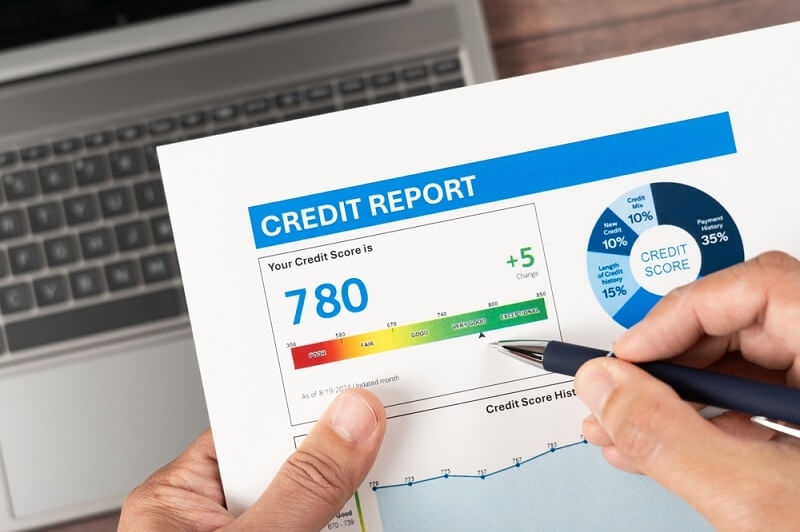
The majority of factors that will have an impact on your credit rating are the result of bad habits that you repeat during the course of your everyday life. While the big financial mistakes will hurt, it is the little decisions you make each day that have a much more significant influence.
Some examples of daily habits that will affect credit ratings include the following:
Understanding your credit score requires an understanding of how the credit system works, based on monitoring your daily behavior patterns. The credit system places more value on consistency than on clever ways to cheat the system.
Understanding credit scores helps when applying for auto loans, personal loans, or mortgages. Credit cards also depend heavily on this number.
Lenders often group borrowers into rough ranges:
This is why a clear explanation of credit scores can save thousands of dollars over the years. Improving your credit score gradually not only affects approval rates but also long-term costs.
Improving a credit score does not require secret systems or paid programs. It depends on boring habits that work quietly.
Helpful habits include:
Improving your credit score often feels slow at first. Progress shows when habits stay steady. This is how credit scores work in real life—not fast, but dependable.
How credit scores work is deeply tied to time. The system rewards long-term patterns.
Late payments may stay visible for years. Good behavior also builds strength year after year. This timeline is crucial for accurately understanding credit scores.
Many expect quick results after one month. That rarely happens. Credit score factors move like a river, slow and steady. This is what affects credit score the most, not short bursts of effort.
A basic example helps clarify understanding of credit scores.
Imagine two borrowers:
Over time, credit score factors reward Person A. Improving credit score happens naturally through routine. Person B struggles because what affects their credit score keeps piling up in negative ways.
This credit score explained through behavior shows that habits are more powerful than income or job titles.
Many people misunderstand how credit scores work due to common misconceptions about them.
Common myths include:
Understanding credit scores means separating facts from rumors. This protects people from costly mistakes and helps them safely improve their credit score.
Money advice shapes real lives. Incorrect advice can lead to debt or rejection.
Reliable organizations, consumer education programs, and major lenders describe credit score factors in similar ways. Payment history, credit use, and time remain the foundation.
The way credit scores work has remained consistent for many years. This stability allows people to trust the system even if it feels strict.
Good information prevents scams and unrealistic shortcuts. There are no instant legal fixes for improving a credit score; only steady progress is possible.
Making things easy helps maintain good habits.
Helpful things include
These actions align well with the design of credit scores. They minimize mistakes and promote sustainable growth of credit score over time without stress (or drama).
For many, money creates feelings of shame/fear, which is why they do not regularly check their scores.
By gaining knowledge of how credit scores work, we regain control, as a series of simple steps replaces confusion, and fear becomes a manageable emotion.
With an emphasis on improving one’s credit score for growth rather than blame, this mental transformation fosters a more informed level of decision-making and a higher likelihood of achieving long-term financial stability.
How credit scores work becomes clear when habits stay steady and informed. Understanding credit scores allows for better decisions without panic. Credit score factors reward patience over time. What affects a credit score is daily behavior. Improving your credit score remains possible through small steps repeated often, rather than taking shortcuts or risky tricks.
Paying bills on time and lowering balances usually bring the safest improvement. There is no instant solution.
Two or three times a year is healthy. It helps spot errors and supports understanding credit scores.
It depends. Closing old credit cards can reduce the length of your credit history, which is a crucial factor in determining your credit score.
Different lenders use different scoring models. The core rules stay similar, but details may change slightly.
This content was created by AI