


It is easy to see how a person's credit score impacts their life: a credit score determines whether they receive a loan or credit card, and a higher score may offer a much lower interest rate and be useful to lenders for everything from a mortgage to a credit card. However, many people do not fully understand what affects credit score or why they often fluctuate.
In the United States, nearly 90% of top lenders use credit scores in the lending decision. According to FICO, small variations in scores make a big difference in the long run; borrowers with good credit can receive mortgage interest rates 1% to 2% lower than those with poor credit, amounting to tens of thousands of dollars over the course of a 30-year loan. Knowing the most significant contributing factors can prevent poor financial habits from damaging a credit score and allow one to build and maintain a good financial position. This article will outline the most influential components of credit scoring, the systems in place, and the positive steps an individual can take.
A credit score is a three-digit number calculated based on your credit report that demonstrates how well you manage debt. Scores may be obtained on a scale of 300-850; a higher score reflects the greater reliability a lender may have in your managing money responsibly, and a low score indicates risk.
Credit scores are generated from data on credit reports; the three primary credit bureaus are:
Different scoring models exist, but FICO and VantageScore are the two most widely used. Most credit scores fall into these ranges:
Credit Score Range | Rating |
| 800–850 | Excellent |
| 740–799 | Very Good |
| 670–739 | Good |
| 580–669 | Fair |
| Below 580 | Poor |
Scores vary throughout a person's life and as financial behavior shifts.
Try This: Cracking How Credit Scores Work and Grow for Real Life Tips
There are basically 5 types of credit scores, and the rest are explained below:
Your payment history is one of the most significant credit score factors in determining your credit score. In FICO models, it typically accounts for about 35% of the score. It is the leading indicator to lenders that demonstrates the ability to make on-time payments. Late payments, collections, defaults, and bankruptcies lower a score, and issues can remain on a credit report for up to 7 years. A solid history, however, is the strongest indicator of a responsible borrower and can be demonstrated simply by keeping payments up to date. An automatic payment or reminder may be beneficial.
The utilization factor accounts for approximately 30% of the score; this reflects how much of your available credit is currently being used. If one has a $10,000 limit, the debt on the cards should never exceed $3,000 (30% of the limit). High debt often suggests the individual is in a difficult financial situation, and maxing out a credit card could have immediate negative implications on a score. Lowering this number before the billing statement closes would greatly affect the utilization for that month.
Your oldest credit card account and the average length of all accounts combined comprise the Credit History Length; typically, this score is only about 15%. Lenders want evidence that you can successfully manage credit long-term, and older credit cards prove that. Removing older accounts may therefore damage this portion of a score. Many financial experts recommend keeping older, no-annual-fee cards open simply to maintain a longer credit history.
Every time an individual applies for a loan or a credit card, it can slightly reduce the score because lenders conduct an inquiry on the report, indicating that you are seeking credit. Too many inquiries within a short period suggest an overreliance on credit. This deduction can be around 5-10 points per inquiry. Checking your own score, on the other hand, does not affect it.
Having a healthy range of revolving and installment credit accounts affects your credit score as well (approximately 10%). These types of accounts include credit cards, student loans, car loans, etc. A mixed account history demonstrates that an individual can responsibly handle different kinds of debt. However, it does not mean an individual should open multiple accounts unnecessarily; it is a component of the score, but not the most crucial.
Several behaviors can severely lower a credit score. These include:
Identity theft and reporting errors can also lower a score, affecting millions of people each year, according to the FTC; hence, the need to review credit reports for accuracy.
A bad credit score can seem permanent, but it doesn't have to be. The most useful strategies for credit score improvement include paying your bills on time, lowering your credit utilization and outstanding debt, applying for new credit cards only when absolutely necessary, keeping older accounts open, and routinely monitoring your credit report. It is possible to see significant improvements in your credit score in just a few months, while others may take longer to see changes in their credit profile. In any case, stick with it!
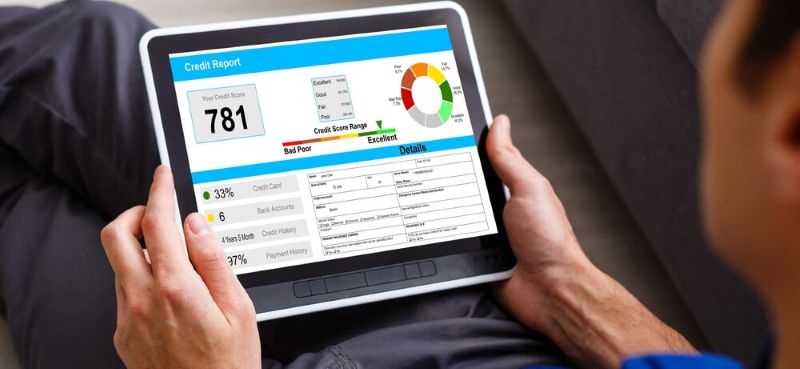
Today, credit scores are more than just what can get you a mortgage or an auto loan; they are a significant part of many landlords', insurance companies', and even employers' vetting processes. Better credit has numerous benefits: you are able to receive lower interest rates, a credit card issuer may offer you a higher credit limit, a landlord could give you a better deal or even choose you over other potential renters; and a home insurance provider will offer you lower rates than a high-risk credit score. The growing prevalence of online lending means that good credit has become more important than ever.
Understanding the credit score factors that contribute to a credit score will help individuals be smarter with their financial dealings and avoid the kinds of mistakes that could hurt their credit standing. Payment history, utilization, and credit history length are arguably the most significant factors influencing a score; these can impact an individual greatly, even through small financial mistakes such as habitually late credit card payments or running up high balances. Fortunately, an individual's credit score is not a life sentence; by practicing diligent payment habits, minimizing debt, and regularly reviewing credit reports, the score can be gradually improved. One's financial position is then enhanced, providing better terms and greater access to loan and financing options.
Credit scores are updated as frequently as lenders share new data with credit bureaus, usually once per month. A change to your balance, payments, new account, or closed account may raise or lower your score.
No, checking your credit score will not lower it. A "soft inquiry" to check your own score has no effect on your credit score. In fact, checking your own credit score may serve you well by alerting you to identity theft or a billing error on your report.
Negative information will remain on a credit report for 7 years. However, bankruptcies last longer than other negative items. At the end of 7 years, the damage to a score can be offset by responsible borrowing habits over that period.
This content was created by AI